NAD+ shows up everywhere in longevity talk, from pills to IV drips. Here is a clear, honest explanation of what it is, what boosting it can and cannot do, and how to think about it.
Quick answer
NAD+ is a molecule your cells need to make energy and repair themselves. Levels fall with age. Supplements called NR and NMN reliably raise NAD+ in the blood, and NAD+ therapy has become a cornerstone of modern longevity and recovery care.
What Is NAD+?
NAD+ stands for nicotinamide adenine dinucleotide. That is a mouthful, so think of it as a key helper molecule your cells use every second. It plays a central role in turning food into energy and in running repair systems inside the cell.
Here is the part that drives all the interest: NAD+ levels naturally drop as you age. Lower NAD+ is linked to tired cells and slower repair, so the big idea is simple. If levels fall with age, can we safely raise them back up?
How People Try to Raise NAD+
You usually do not take NAD+ straight. Instead, people take building blocks the body turns into NAD+. The main ones are:
- NR (nicotinamide riboside)
- NMN (nicotinamide mononucleotide)
There are also IV drips that deliver NAD+ directly. Pills and IVs are very different in cost, oversight, and evidence, which we will cover below.
What the Research Actually Shows
This is where you should separate two questions.
Does taking NR or NMN raise NAD+ in the body? Yes. Human studies consistently show these supplements lift NAD+ levels in the blood. That part is well supported. You can see this in a controlled trial described in this study on NMN supplementation and NAD+ levels in older adults on PubMed Central.
Does raising NAD+ help people feel and perform better? Patients and clinicians consistently report meaningful gains in energy, recovery, and mental clarity, and the human research keeps expanding. A helpful summary of the human data is in this review of NMN safety and anti-aging effects in human trials on PubMed Central.
So NAD+ boosting clearly does something real in the body, which is why it anchors so many modern recovery and longevity protocols.
Is NAD+ Safe?
Oral NR and NMN have been well tolerated in trials, even over weeks of use, and NR in particular has a strong safety record. You can see long-term safety data in this clinical safety study of nicotinamide riboside on PubMed Central.
IV NAD+ is a different case. It is a compounded product, not an approved medicine, with less standardized dosing and thinner safety data. It also usually requires a licensed provider. More is not automatically better here.
Legal Status
NAD+ itself is not an approved drug, but the building blocks have their own status. NR is sold legally as a dietary supplement in the United States. NMN's status has shifted over the years, and as of a 2025 update it can again be sold as a dietary ingredient. IV NAD+ is a compounded treatment that needs a licensed prescriber. None of these are on the anti-doping banned list.
A quick disclaimer: This article is educational and not medical advice. Talk with a licensed healthcare provider before starting NAD+ supplements or drips, especially if you take medicines or have a health condition.
The Honest Takeaway
NAD+ is real science, not a gimmick. It matters for energy and repair, it drops with age, and supplements can raise it. Raising it reliably improves how people feel and recover, and the research keeps getting stronger. For most people, oral NR or NMN is the better-studied, lower-risk path, while IV drips carry more cost and fewer answers. Reasonable optimism, backed by realistic expectations, is the right posture.
Frequently asked questions
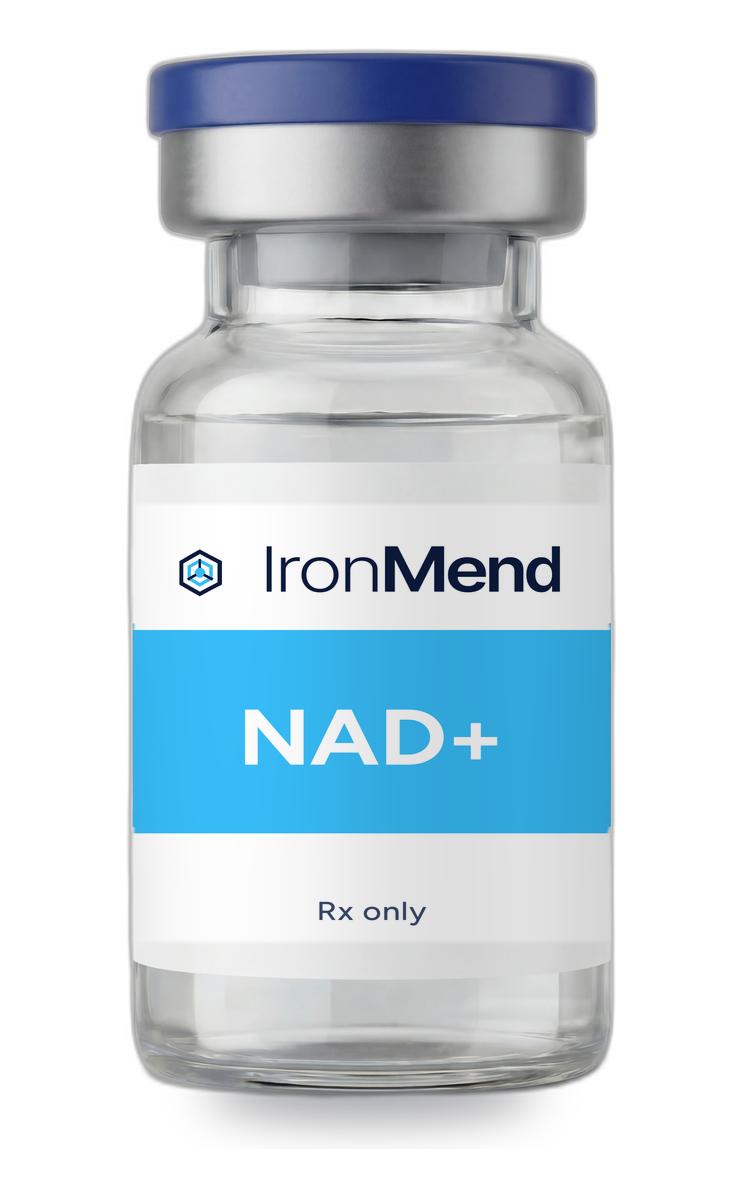
How we use NAD+
What it is
Nicotinamide adenine dinucleotide (NAD+) is a coenzyme present in every cell, required for the redox reactions that generate ATP and for sirtuin and PARP activity. Compounded for injection, prescription only.
How it works
NAD+ supports mitochondrial electron transport, fuels DNA-repair enzymes, and enables sirtuin-mediated cellular maintenance. Surgical stress and inflammation increase NAD+ consumption.
Post-surgery relevance
Commonly discussed for fatigue, mental clarity, and general energy during the recovery period, when demand on cellular repair machinery is elevated.
What the evidence shows
Human data on NAD+ precursors is growing; data on injectable NAD+ specifically is more limited. Reported benefits are subjective and vary widely.
Considerations
Infusion or injection can cause transient flushing or discomfort if administered too quickly. A provider reviews your history and gives administration guidance if prescribed.