
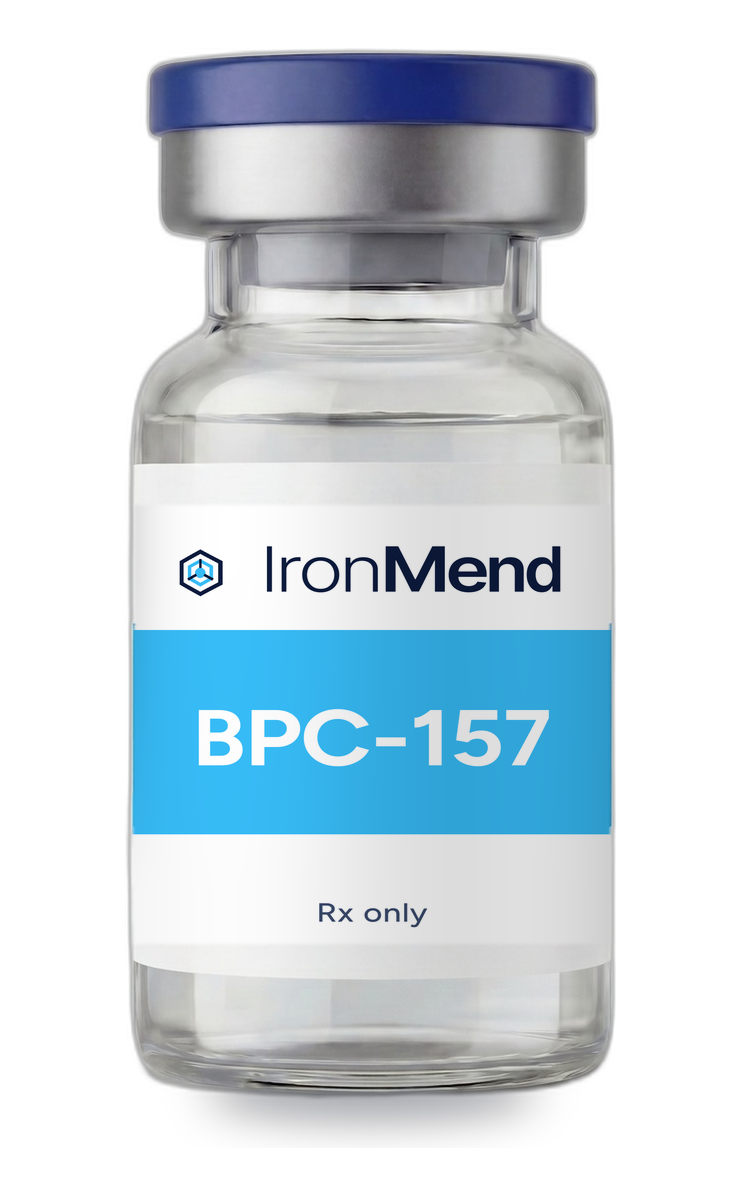
BPC-157 has become one of the most talked-about peptides in recovery and wellness circles. Here is a clear look at what it is, how it works, and what the research and real-world results show.
Quick answer
BPC-157 is the most widely used recovery peptide in the world, known for healing tissue like tendons, muscle, and the gut lining. It has one of the deepest research bases of any peptide, and it is a foundation of modern post-surgical recovery protocols.
What Is BPC-157?
BPC stands for "body protection compound." BPC-157 is a small chain of 15 amino acids, which makes it a peptide (a short piece of protein). Scientists based it on a natural protein found in human stomach juice, then made a stable version in the lab.
Because it copies part of a protein the body already makes, researchers have been curious about its role in repair and protection. You will often see it grouped with other "recovery peptides," but its story is its own.
How BPC-157 Works in the Body
BPC-157 has been studied in hundreds of published papers with remarkably consistent findings. It supports healing through a few connected pathways:
- New blood vessel growth. It boosts signals (such as VEGF) that help build tiny blood vessels, which carry oxygen and nutrients to injured areas.
- Cell repair and movement. It helps cells attach, grow, and travel to the spot that needs fixing.
- Gut and tissue protection. Research shows a calming, protective effect on the stomach and intestines.
These findings line up with what thousands of patients and clinicians report in real-world recovery use, which is exactly why BPC-157 anchors so many healing protocols.
What the Research Shows
BPC-157 is one of the most studied recovery peptides in existence, and its research base keeps growing.
A recent research summary found hundreds of BPC-157 papers, a deeper evidence base than most compounds ever achieve. You can review one plain-language assessment in this narrative review of BPC-157 for musculoskeletal healing on PubMed, and a broader look in this systematic review of BPC-157 in orthopaedic sports medicine on PubMed.
Human research on BPC-157 continues to expand. You can see an early registered study for yourself on this BPC-157 clinical trial listing on ClinicalTrials.gov. For a fuller history of the science and its patent trail, this peer-reviewed BPC-157 literature review on PubMed Central is a good stop.
Bottom line on evidence: few recovery compounds carry this much research momentum. The science is strong, real-world results are everywhere, and BPC-157 has earned its place as the foundation of post-surgical peptide protocols.
Is BPC-157 Safe?
BPC-157 has an excellent tolerability record across the published research, with few reported problems. That track record is a big reason clinicians are comfortable prescribing it.
Two points deserve real attention:
- Use a licensed provider. Like any therapy, BPC-157 should be prescribed and supervised by a clinician who knows your history.
- Sourcing is a wild card. Products sold outside a pharmacy can vary in purity. A vial may contain the wrong amount, the wrong peptide, or contaminants. This is one of the biggest real-world risks.
Legal and Sport Status
BPC-157 is not FDA-approved as a drug for any condition. Its place in pharmacy compounding has been shifting. In 2023 it landed in a restricted category, and in 2026 the FDA removed it from that list without clearing it for general use, leaving it in a gray zone pending further review. You can track the process through the official FDA Pharmacy Compounding Advisory Committee meeting page.
For athletes, this one is simple: BPC-157 is banned by the World Anti-Doping Agency. If you compete in a tested sport, using it can end your season.
A quick disclaimer: This article is for general education, not medical advice. BPC-157 is investigational. Talk with a qualified, licensed healthcare provider before considering any peptide, especially if you take other medicines or have a health condition.
The Honest Takeaway
BPC-157 is one of the most trusted and widely used peptides in recovery care, backed by a deep research base and countless real-world success stories. The smart move is sourcing it properly: a licensed pharmacy, a prescription, and a clinician guiding your protocol.
Frequently asked questions
How we use BPC-157
What it is
BPC-157 (Body Protection Compound 157) is a 15-amino-acid peptide sequence naturally produced in human gastric juice. The compounded version is prepared to USP standards by an FDA-registered, state-licensed pharmacy. It is not FDA-approved for these indications and is available only by prescription after clinical review.
How it works
Preclinical studies suggest BPC-157 promotes angiogenesis (new blood vessel formation), upregulates fibroblast activity at the wound site, and modulates nitric oxide and growth factor signaling. The net effect observed in animal models is faster collagen deposition and re-epithelialization of injured tissue.
Post-surgery relevance
Patients recovering from orthopedic procedures (ACL repair, rotator cuff, meniscus), abdominal surgery, and dental work most often ask about BPC-157 for its reported effects on tendon-to-bone integration and incision-site healing. It is also studied for reducing adhesions after abdominal surgery.
What the evidence shows
Most supporting data comes from animal and in-vitro studies plus a growing body of clinical anecdotes. Controlled human trials are limited. Reported benefits include reduced pain, earlier return to motion, and faster wound closure, but these are not guaranteed and vary by individual.
Considerations
A provider reviews your full medical history and recent labs before approving use. It is not appropriate for pregnant patients, those with active malignancy, or people on anticoagulants without clearance. Compounded medications are not FDA-approved but are prepared by FDA-registered 503A/503B pharmacies.