
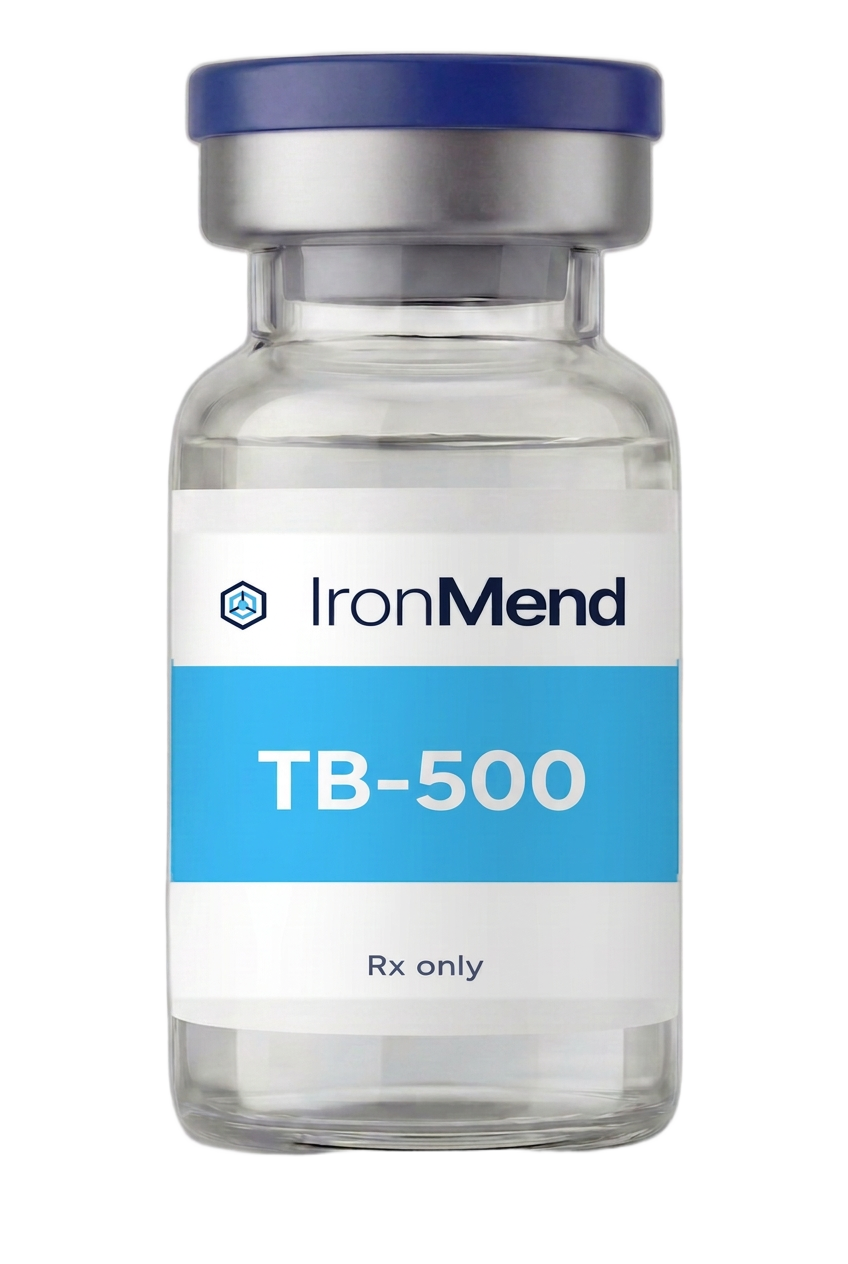
TB-500 and thymosin beta-4 are two of the most trusted names in recovery and tissue repair. They are related but not the same thing. Here is a straight, easy guide to both.
Quick answer
Thymosin beta-4 is a natural healing peptide your body already makes. TB-500 is a lab-made version that delivers those same repair signals, and it is a cornerstone of modern recovery protocols for muscle, tendon, and soft tissue.
What Are TB-500 and Thymosin Beta-4?
Thymosin beta-4, often written as Tβ4, is a peptide found naturally in almost every cell in the body. It is the most common member of its peptide family and plays a role in how cells move and repair.
TB-500 is a synthetic peptide sold as a stand-in for thymosin beta-4. It copies the active part of the natural peptide. This is an important detail: TB-500 and full thymosin beta-4 are cousins, not twins, so results from one do not automatically apply to the other.
How This Peptide Supports Healing
Thymosin beta-4 helps manage a protein called actin, which controls how cells build their internal structure and move to where they are needed. Through that role, it drives:
- Cell movement to injured areas, which is a key first step in repair.
- New blood vessel growth, bringing more oxygen and nutrients to healing tissue.
- Calming inflammation and protecting cells from stress.
Its effects are powerful enough that dosing matters, which is why clinician guidance is part of every legitimate protocol. You can see how tissue-specific the research gets in this study on thymosin beta-4 and liver cell activation on PubMed Central.
What the Research Shows
Thymosin beta-4 has real human trial data behind it, a rare strength among peptides.
A form of thymosin beta-4 used as eye drops has been tested in real human trials for dry eye and surface damage. In one small placebo-controlled study, people using it reported less eye discomfort and clearer signs of healing. You can read a summary in this Phase 2 dry eye trial of thymosin beta-4 on PubMed, and see a related trial record on this thymosin beta-4 eye study listing on ClinicalTrials.gov.
Researchers are also studying it in heart and blood vessel health, as in this study on thymosin beta-4 and blood vessel cells on PubMed Central.
Injectable TB-500 for muscle, tendon, and all-around recovery is where real-world use has exploded. It is now one of the most prescribed recovery peptides in the country, and athletes and post-surgical patients alike report faster, cleaner healing.
Is TB-500 Safe?
Thymosin beta-4 was well tolerated in human trials, a strong signal for the whole peptide family. Injectable TB-500 is widely used in clinical practice and, like any therapy, works best under a licensed provider's supervision.
Two practical points matter. First, because TB-500 actively drives repair signals, it should be used under clinician guidance rather than guesswork. Second, gray-market vials can be impure or mislabeled, which is why a licensed pharmacy is non-negotiable.
Legal and Sport Status
TB-500 is not FDA-approved as a medicine. Like several related peptides, its compounding status has been under active review.
For competitive athletes, the rule is clear and strict. TB-500 is specifically named on the World Anti-Doping Agency prohibited list. If you are drug-tested, avoid it.
A quick disclaimer: This is general education, not medical advice. Injectable TB-500 is investigational. Speak with a licensed healthcare provider before considering any peptide, especially alongside other medicines or health conditions.
The Honest Takeaway
Thymosin beta-4 is a real, natural healing peptide with human trial data behind it, and TB-500 has become one of the most trusted recovery tools in modern peptide therapy. Pair it with a licensed pharmacy and a clinician's protocol and you are using it the right way.
Frequently asked questions
How we use TB-500
What it is
TB-500 is a shortened version of Thymosin Beta-4, a naturally occurring peptide involved in wound healing and cell motility. Compounded to USP standards and available only by prescription after provider review.
How it works
Thymosin Beta-4 binds G-actin and promotes cell migration, upregulates VEGF (driving angiogenesis), and supports anti-inflammatory signaling. In tissue-injury models this translates to faster recruitment of repair cells to the injury site.
Post-surgery relevance
TB-500 is most associated with recovery from soft-tissue, tendon, ligament, and muscle procedures, including labrum repair, Achilles repair, and muscle-tendon reattachment.
BPC-157 vs TB-500
BPC-157 is favored for wound closure and healing of the incision line; TB-500 is favored for tissue remodeling and inflammation in deeper musculoskeletal injuries. The Total Recovery Kit pairs both with GHK-Cu. Whether to combine is a clinical decision made during your async review.
Considerations
TB-500 is not FDA-approved for these uses. A provider screens for contraindications including active cancer, pregnancy, and autoimmune disease before prescribing.