Glutathione is often called the body's most important antioxidant. Here is a clear look at what it does, what the research supports, and where the real safety lines are.
Quick answer
Glutathione is a natural molecule that protects cells from damage and helps with detox. Your body makes it, and levels fall with age and illness. Quality formulations and precursor blends deliver strong results for recovery and healthy aging, while IV glutathione for skin lightening carries serious safety warnings.
What Is Glutathione?
Glutathione is a small molecule made of three amino acids. Your body produces it naturally, and it is found inside nearly every cell. Think of it as a built-in cleanup and defense system.
Levels tend to drop with age and during many health problems, which is why people look for ways to keep it topped up.
What Glutathione Does
Glutathione has several important jobs:
- Fights oxidative stress, neutralizing the unstable molecules that damage cells.
- Supports detox, helping the body process and clear waste.
- Backs the immune system and healthy cell function.
- Affects skin pigment, which is why it gets attention for skin tone.
What the Research Shows
The results depend a lot on how you take it.
Oral glutathione: absorption varies by formulation, which is why clinicians favor quality compounded forms. One careful placebo-controlled study is available here: You can read that trial here: a controlled trial of oral glutathione and oxidative stress on PubMed.
Precursor blends (GlyNAC): this is the brighter spot. A blend of glycine and NAC, which are building blocks the body uses to make glutathione, showed encouraging results in older adults, including gains in strength, walking speed, and other aging measures. Benefits faded after people stopped, though. You can read the study in this GlyNAC clinical trial in the Journals of Gerontology, with an earlier pilot in this GlyNAC aging study on PubMed Central and the record on this GlyNAC trial listing on ClinicalTrials.gov.
Skin lightening: the evidence is weak, based mostly on small, short studies. It is far less certain than the marketing suggests.
Safety: An Important Split
Oral and topical glutathione are generally well tolerated. The most common complaint is mild stomach upset.
Please read this part carefully. IV glutathione used for skin lightening is a real safety concern and is not approved for that purpose. Health regulators have warned about risks that include severe skin reactions, and possible harm to the liver, kidneys, or thyroid, along with contamination risks from unregulated products. If skin whitening is the goal, an IV drip is not a safe shortcut.
Legal Status
Oral glutathione is sold as a dietary supplement. IV glutathione is not approved for skin lightening or general wellness, and using it that way falls outside approved medical use. Glutathione is not on the anti-doping banned list.
A quick disclaimer: This article is educational and not medical advice. Talk with a licensed healthcare provider before using glutathione, and especially before any IV treatment.
The Honest Takeaway
Glutathione is a genuinely important molecule, and the science behind its role in the body is solid. The key is how you take it: quality formulations and precursor blends deliver real results for recovery and healthy aging, while IV drips for skin lightening carry real risks. Focus on the well-supported uses and skip the risky shortcuts.
Frequently asked questions
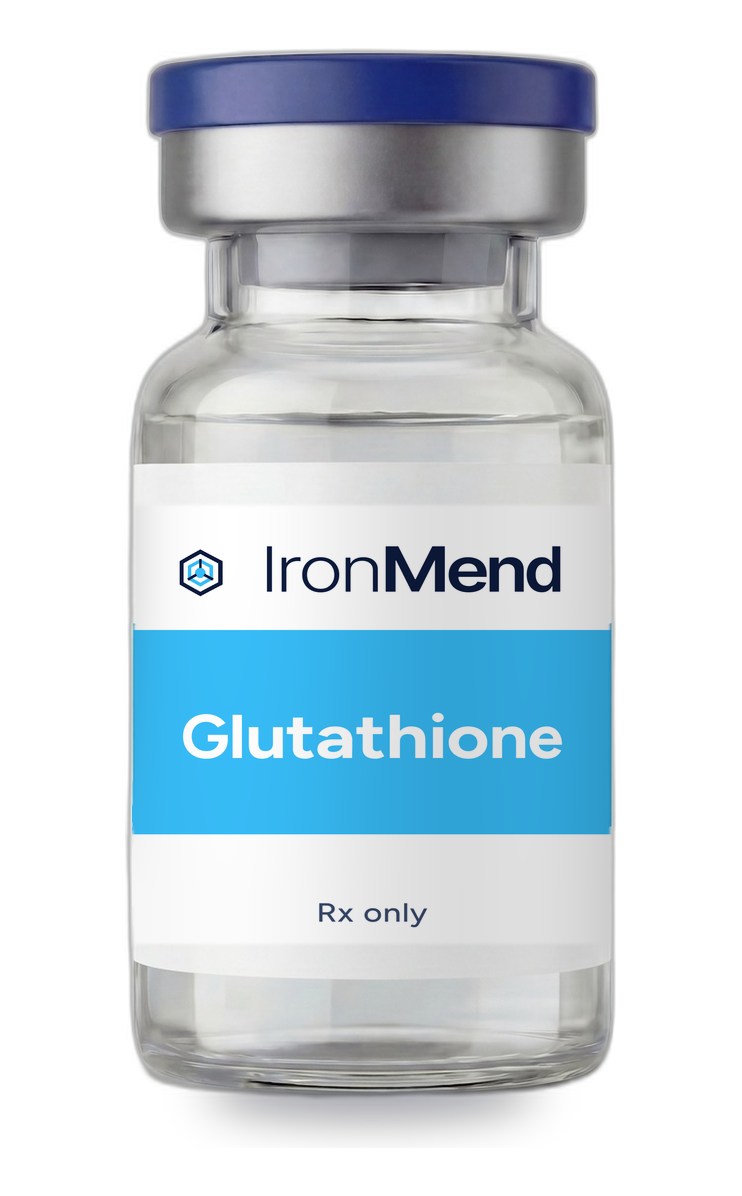
How we use Glutathione
What it is
Glutathione is a tripeptide of glutamate, cysteine, and glycine produced in every cell. Compounded for injection to bypass poor oral absorption. Prescription only.
How it works
Glutathione neutralizes reactive oxygen species, regenerates other antioxidants such as vitamins C and E, and supports hepatic phase II detoxification pathways.
Post-surgery relevance
Surgery, anesthesia, and inflammation all raise oxidative load. Glutathione is discussed as antioxidant support during that period, alongside standard post-operative care.
What the evidence shows
Glutathione depletion in oxidative-stress states is well documented. Clinical outcome data for supplementation in surgical recovery is limited.
Considerations
Generally well tolerated. Reviewed against your medication list, particularly for patients undergoing oncologic treatment, where timing matters.